7 Essential Wellness Tips for Fall: A Woman’s Guide to Feeling Her Best
This post is all about wellness tips for fall.

Have you noticed how something seems to shift within you when autumn arrives?
Even though we’ve been enjoying unusually warm weather this October, I can certainly feel the seasons changing. It’s hard to explain, but around 4 p.m., even when it’s lovely outside, the air no longer feels like summer. The sun is already much closer to the horizon, and suddenly all I want is to make dinner early, pour myself a glass of wine, enjoy some chocolate, and curl up with a good TV show. Preferably without having exercised once all day!
October comes along, and suddenly getting out of bed feels like an achievement. Your skin feels drier, your hair isn’t quite as cooperative, and your energy seems to have taken an unexpected holiday.
Sound familiar?
Why Do I Feel Tired All the Time in Fall? – Changes in Our Circadian Rhythm Is the Culprit
Our bodies don’t exist separately from the environment we live in. As women, we share a particularly beautiful connection with Mother Nature and her rhythms. Just as nature moves through seasons of growth, abundance, release, and rest, we experience our own cycles of energy, emotion, and renewal. Don’t you think there’s something wonderfully symbolic about the changing seasons, the phases of the moon, and the natural ebb and flow of feminine life? We are, after all, part of nature, not separate from it.
As autumn arrives, the world around us begins to change. The days grow shorter, we spend less time in natural daylight, and the air becomes cooler and, in many places, drier. Meanwhile, work and family responsibilities often pick up after the summer holidays. It’s only natural that our bodies respond to these changes, too.
Daylight plays an important role in regulating our internal body clock, and changes in our circadian rhythm can influence our sleep, alertness, and other bodily processes. As our exposure to natural light changes with the seasons, we may notice differences in our mood, energy levels, and even how rested we feel.
Then there’s our skin. Cooler weather, lower humidity, and indoor heating can all contribute to dryness, leaving us reaching for richer moisturizers and wondering what happened to our summer glow.
1. Why Is My Body Not Feeling Right in Fall? – Embrace a Holistic and Gentle Approach to Self-Care
Have you ever felt like you’re doing everything right, yet somehow you’re not seeing the results? You’re eating reasonably well, exercising, taking care of your skin, perhaps even getting the recommended amount of sleep. And yet, you wake up tired, your complexion looks dull, and you simply don’t feel like yourself. So what gives?
Our bodies have an enormous number of responsibilities, and maintaining beautiful hair, glowing skin, and perfectly manicured nails isn’t exactly at the top of their priority list. Prolonged stress, poor sleep, and inadequate nutrition can all affect how we look and feel. Nutritional deficiencies may contribute to hair shedding, while insufficient sleep can leave us looking and feeling less refreshed.
Taking care of your appearance isn’t only about what you put on your skin. It’s also about how you treat the body underneath it. A beautiful moisturizer certainly has its place, but so do nourishing meals, restorative sleep, regular movement, and enough time to recover from the demands of everyday life.
2. Why More Discipline Isn’t Always the Answer for Women
As women, we’re constantly being encouraged to improve ourselves. Wake up earlier, exercise harder, eat less, be more productive, stay consistent, and don’t make excuses. And while there’s certainly something to be said for discipline, I think we’ve become rather good at confusing self-care with self-punishment, especially when we’re already exhausted.
Imagine coming home after a particularly demanding day. You’re tired, you’ve barely had a moment to yourself, and the last thing you feel like doing is putting on your workout clothes and heading to the gym. But you promised yourself you’d exercise four times this week, so now you’re faced with a choice: force yourself through another demanding workout or spend the rest of the evening feeling guilty about skipping it. Neither sounds particularly appealing, does it?
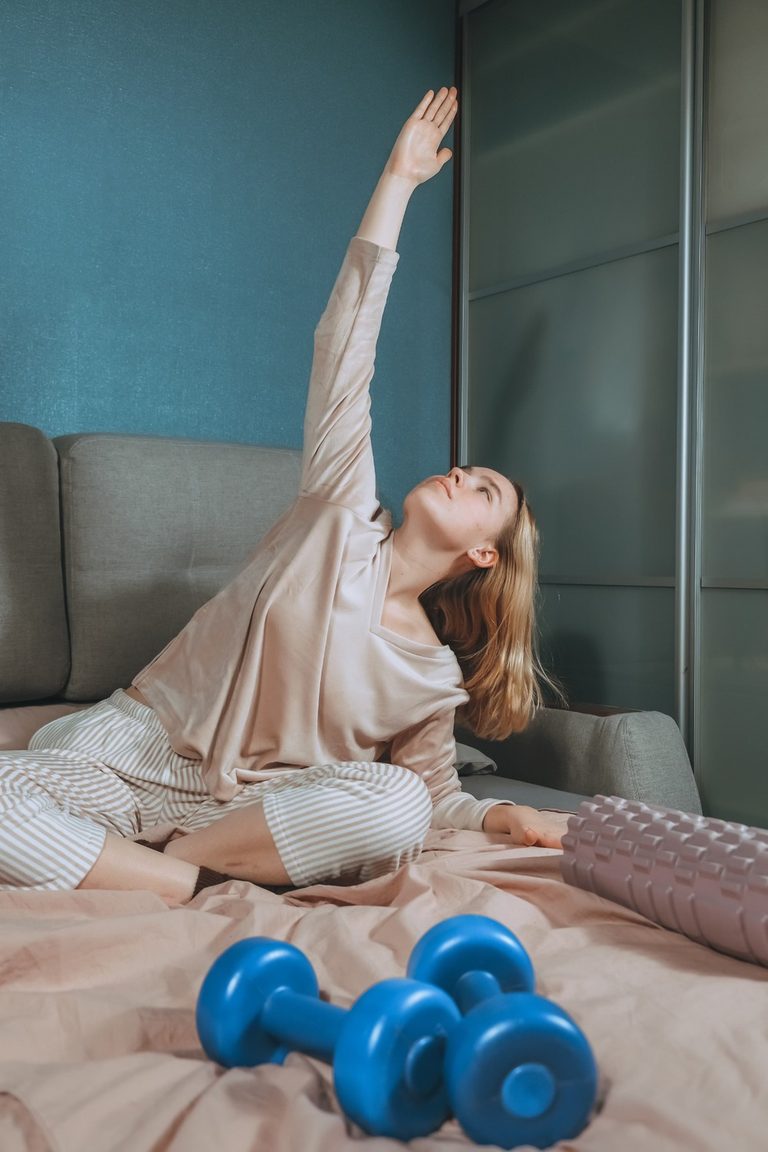
Consistency doesn’t have to mean intensity. There will be days when a challenging strength-training session feels wonderful, and there will be days when a gentle walk, some stretching, Pilates, or a short workout at home feels like a much more realistic option. All of these can have a place in a healthy feminine lifestyle.
And no, you don’t have to finish every workout drenched in sweat for it to count. Remember, feminine energy thrives when there’s room for variety and creativity, and I believe both are especially relevant when it comes to choosing how we want to move our bodies on any given day.
Perhaps that means keeping your strength workouts but occasionally allowing yourself a much shorter session, or moving your exercise to an earlier hour when you have more energy. Personally, I’ve found that exercising earlier in the day makes a world of difference!
3. Fall Nutrition for Women: Nourish Your Body From Within
Now, let’s talk about food. When autumn arrives, we often find ourselves craving something a little more comforting. Perhaps a hearty soup suddenly sounds more appealing than a summer salad, or the idea of a warm breakfast becomes considerably more attractive than a cold smoothie. There’s something wonderfully comforting about warm, nourishing meals, especially when the weather turns cooler.
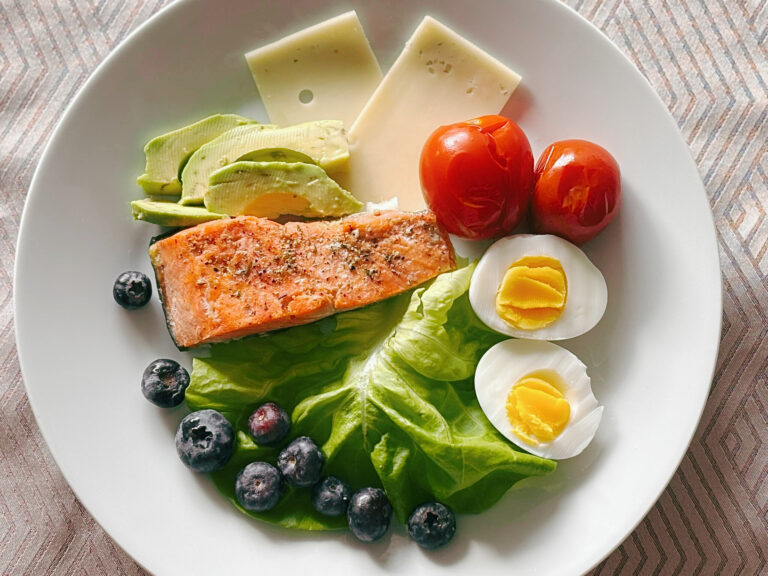
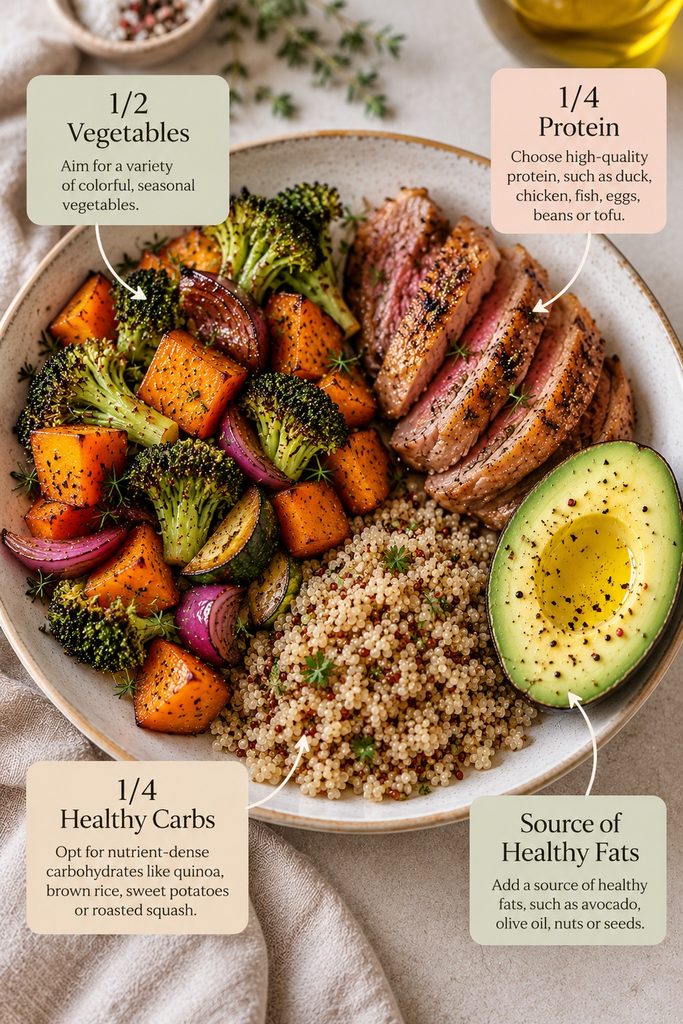
Prioritize quality protein. Fish, eggs, and meat provide the amino acids your body needs to produce certain hormones, maintain tissues, and support countless essential processes. Richer dishes featuring meats like ribs or duck can also make a delicious addition to your autumn menu.
Embrace healthy fats. Olive oil, avocados, nuts, and dairy products can all have a place in a nourishing autumn menu. Dietary fats support cell structure and play an important role in hormone production, making them an essential part of a balanced diet. Enjoy some quality butter on your morning toast, or treat yourself to a little cheese with a glass of wine or a cup of tea.
Fun Tip: If you’re craving pizza, enjoy it! Try drizzling a little extra-virgin olive oil over the top for extra flavor and a touch of healthy fats.
Choose nourishing carbohydrates. Whole grains, seasonal vegetables, and fruits provide energy, fiber, antioxidants, and other nutrients that support your body’s natural processes. Rather than eliminating carbohydrates, focus on whole-food sources that nourish you and complement the other foods on your plate.
Vitamin C: This wonderful beauty vitamin supports collagen production and helps your body absorb iron from plant-based foods. You’ll find plenty of it in berries, kiwis, bell peppers, pomegranates, and sauerkraut!
Be mindful of sugar, alcohol, and caffeine. You don’t need to approach these foods and drinks with strict rules, but paying attention to how much you consume can help you make choices that support your energy, sleep, and overall well-being. Your liver already works continuously to process substances and remove waste products, so rather than looking for ways to “detox,” focus on giving your body consistent nourishment, adequate hydration, and enough rest.
4. Does Hair Fall Out In Fall? – Give Your Hair a Little Extra Attention
IIf you’ve ever noticed more hair collecting in your hairbrush or shower drain, you know how unsettling it can be. Research suggests that hair shedding may follow seasonal patterns, although not every woman will experience increased shedding in autumn.
As we’ve already discussed, proper nutrition plays an important role in maintaining healthy hair. Along with getting enough protein and healthy fats, a few other nutrients deserve particular attention:
- Omega-3 fatty acids: These healthy fats play an important role in maintaining a healthy scalp and supporting the body’s natural inflammatory balance. Fatty fish such as salmon, sardines, and mackerel are excellent sources of omega-3s, while walnuts, chia seeds, and flaxseeds provide plant-based alternatives. Personally, I take a quality omega-3 supplement throughout the winter months because I don’t feel I eat enough fish.
- Iron: Iron deficiency can contribute to hair shedding and fatigue, making adequate iron intake particularly important for women who menstruate.
- Zinc: This mineral supports normal cell growth, tissue repair, and the processes involved in maintaining healthy hair.
- Selenium: An essential mineral that supports normal thyroid function, which is important for healthy hair growth.
Autumn is also a lovely time to give your hair care routine a little extra attention. Perhaps there are a few nourishing masks sitting in your bathroom cabinet that you’ve never quite found the time to try, or you’ve been meaning to experiment with a scalp massage and a little hair oil.
Personally, I like to step up my hair care routine during the seasonal transition and turn wash day into a little beauty ritual. Before washing my hair, I apply an oil treatment and give my scalp a gentle massage. Lately, I’ve been enjoying a hair oil containing biotin and rosemary. After shampooing, I apply a nourishing mask along the entire length of my hair and leave it on for another 20 minutes.
Of course, my bleached hair needs a little more attention than most! But even if your hair doesn’t require such an elaborate routine, treating yourself to a few at-home hair spa sessions as autumn settles in can be a wonderful way to give it some extra care.
5. Getting Vitamin D From The Sun And Supplements
Here’s another nutrient worth mentioning as the days grow shorter. Vitamin D supports bone health, muscle function, and other important processes in the body. Our skin can produce vitamin D when exposed to UVB sunlight, but in northern climates, the amount of UVB available during autumn and winter becomes limited.
Depending on your diet, location, and individual circumstances, a vitamin D supplement may be appropriate. Personally, I start taking vitamin D two or three times a week in October and continue throughout most of the winter. However, it’s always best to seek individualized advice rather than assume everyone needs the same dose.
Aside from taking supplements, I do my best to catch some sunshine on my daily walks, whether it’s a quick stroll or a longer outing. And if I get to wander through a nearby park, admire the beautiful autumn colours, and breathe in that wonderful scent of fallen leaves, it makes me ridiculously happy!
If you work in an office, try taking a walk during your lunch break or stepping outside for a few minutes throughout the day. A little fresh air, natural daylight, and movement can make a lovely difference in how you feel.
6. Causes of Dry Skin All Over the Body in Fall And What To Do About It
I love the idea of approaching skincare as a ritual rather than another obligation. A few quiet minutes in the bathroom, applying a face mask and your favourite products, perhaps with some music playing in the background, and absolutely nobody asking you where their socks are. Bliss.
But there’s also a practical reason to reconsider your skincare routine when autumn arrives. As temperatures drop, outdoor humidity often decreases, and indoor heating can make the air in our homes even drier. This can increase moisture loss from the skin, leaving it feeling tight, rough, or uncomfortable.
Switch to a richer moisturizer. Products that worked beautifully during summer may no longer provide enough moisture as temperatures drop and indoor heating dries out the air.
Be gentle with cleansing. Avoid harsh cleansers and very hot water, which can aggravate dryness and compromise your skin barrier.
Don’t forget your body. Apply a nourishing body cream after showering, ideally while your skin is still slightly damp.
Keep wearing sunscreen. UV exposure doesn’t disappear with the summer holidays, and protecting your skin remains important throughout the year.
Reintroduce exfoliating acids thoughtfully. AHAs can help improve dullness and texture, while BHAs can help unclog pores. Start gradually, especially if your skin feels sensitive or dry.
Stay well hydrated. It is just as important as the seasons shift into fall and winter. Cooler weather can make us less aware of thirst, so make a conscious effort to drink water regularly throughout the day. If plain water feels less appealing, try adding lemon, fresh mint, cucumber, or a few slices of ginger. And don’t be afraid to reach for a glass of warm water, especially on chilly mornings. You might be surprised by how soothing and comforting it feels!
7. Practicing Body Mindfulness in Fall
There’s an important distinction between paying attention to our bodies and becoming overly concerned with every little change. Feeling tired one afternoon doesn’t necessarily mean something is wrong with your hormones, and having a few blemishes doesn’t mean your body is in crisis. Our energy, appetite, mood, and appearance naturally fluctuate for all sorts of reasons.
But when we pay attention to how we feel over time, we can begin to recognize patterns. Perhaps you notice that you sleep better when you spend more time outdoors in natural daylight, or that skipping breakfast leaves you feeling irritable by late afternoon. Maybe certain workouts energize you, while others leave you completely drained and simply feel like too much. Whenever you notice a sudden drop in energy, an unexpected increase in appetite, or difficulty falling asleep, I encourage you to reflect on what might have contributed to it. Think about how you spent your day, what you ate, how you slept, and whether anything was different from your usual routine.
For example, when I go for a brisk, hour-long walk in the sunshine, I come home feeling wonderful and energized. But when I walk more than 10k, I often end up feeling sluggish, my lower back starts aching, and I don’t feel particularly motivated to do much afterwards.
These little observations about your own body and daily life can help you make better choices about your routine. And when something feels persistently wrong, listening to your body also means knowing when to seek professional advice.
Because ultimately, the goal isn’t to become a woman who has perfect control over her body. It’s to become a woman who understands herself well enough to care for it. And that, I think, is a much more beautiful way to move through autumn.